Why Stainless-Steel Burners Matter: The Heart of a Longer Lasting BBQ

The famous Stainless Steel Burner in a BBQ!


When people shop for a new barbecue, they often focus on size, brand, or how many burners it has. Yet one of the most important components—the part that truly determines performance, reliability, and lifespan—is often overlooked: the burner material.

For decades, cast iron burners were the norm in many gas BBQs. Today, however, stainless steel burners have become the preferred choice in modern grills, and for good reason. From durability and corrosion resistance to consistent heat output, stainless steel has proven to be a smarter, longer‑lasting solution for outdoor cooking.

The Burner: The Engine of Your BBQ

Burners are the engine of any gas barbecue. They regulate gas flow, distribute heat evenly across the cooking surface, and determine how efficiently your BBQ performs. When burners fail—through rust, blockages, or burn‑through—the entire BBQ becomes unreliable, no matter how good the rest of the unit may be.

That’s why the material used in burners plays such a critical role in long‑term performance.


The Limitations of Traditional Cast Iron Burners

Cast iron burners earned popularity because of their ability to retain heat. Once hot, they stay hot, which made them effective for searing. However, this benefit comes with several drawbacks that affect longevity.

1. Susceptibility to Rust

Cast iron is highly vulnerable to moisture. Exposure to humidity, rain, grease, and condensation can quickly lead to surface rust and internal corrosion if the burners are not meticulously maintained. Even with regular oiling or seasoning, rust can develop over time, especially in outdoor environments.

As rust flakes form, they can clog gas ports, causing uneven flames or complete burner failure.

2. High Maintenance Requirements

To slow corrosion, cast iron burners require regular cleaning, drying, and oiling. Miss a few maintenance cycles—or store your BBQ uncovered—and deterioration accelerates quickly. Many owners find that cast iron burners rust out long before the rest of the barbecue does.

3. Shorter Real‑World Lifespan

While cast iron can last many years if perfectly maintained, real‑world use tells a different story. In everyday conditions, especially in coastal or humid climates, cast iron burners often fail prematurely due to rust and blocked ports, making them one of the first components to need replacement.

Why Stainless-Steel Burners Last Longer

Stainless steel burners were introduced to solve these exact problems—and they succeed on multiple levels.


1. Superior Corrosion Resistance

The defining advantage of stainless steel is its natural resistance to rust and corrosion. High‑quality stainless steel contains chromium, which forms a protective oxide layer on the surface, shielding the metal from moisture and oxygen.

This makes stainless steel burners especially well-suited to outdoor use, where exposure to weather is unavoidable.

2. Lower Maintenance, Greater Reliability

Unlike cast-iron, stainless-steel burners do not require seasoning or oiling to remain protected. Basic cleaning to remove grease and debris is usually sufficient. Even if a BBQ is occasionally left uncovered or unused for long periods, stainless steel burners are far less likely to degrade.

This low‑maintenance nature significantly extends their usable life in everyday conditions.


3. Consistent Flame and Heat Distribution

Modern stainless-steel burners are engineered for precise gas flow and uniform flame patterns. Because they resist rust flaking and internal blockage, the burner ports remain clear for longer, ensuring consistent heat output across the grill surface over many years of use.

4. Faster Heat‑Up Times

Stainless steel heats up more quickly than cast iron. While it doesn’t retain heat in the same way, modern BBQ designs compensate with better flame distribution and heat deflectors, resulting in efficient cooking without the long preheat times common with older cast iron systems.

Material Quality Matters

Not all stainless-steel burners are created equal. Heavier‑gauge burners and higher‑grade stainless steels (such as 304 stainless) last significantly longer than thinner, lower‑grade alternatives. Thicker stainless-steel resists warping, burn‑through, and corrosion far better than lightweight materials.

This is why premium BBQ manufacturers and replacement part suppliers increasingly rely on stainless steel as their default burner material.

The Long‑Term Value of Stainless-Steel Burners

While stainless steel burners may cost slightly more upfront, they typically deliver better long‑term value:

  • Fewer replacements over the life of the BBQ
  • More consistent cooking performance
  • Less maintenance and cleaning time
  • Greater resistance to outdoor conditions

For most BBQ owners, this means years of reliable cooking without the frustration of rusted or failing burners.


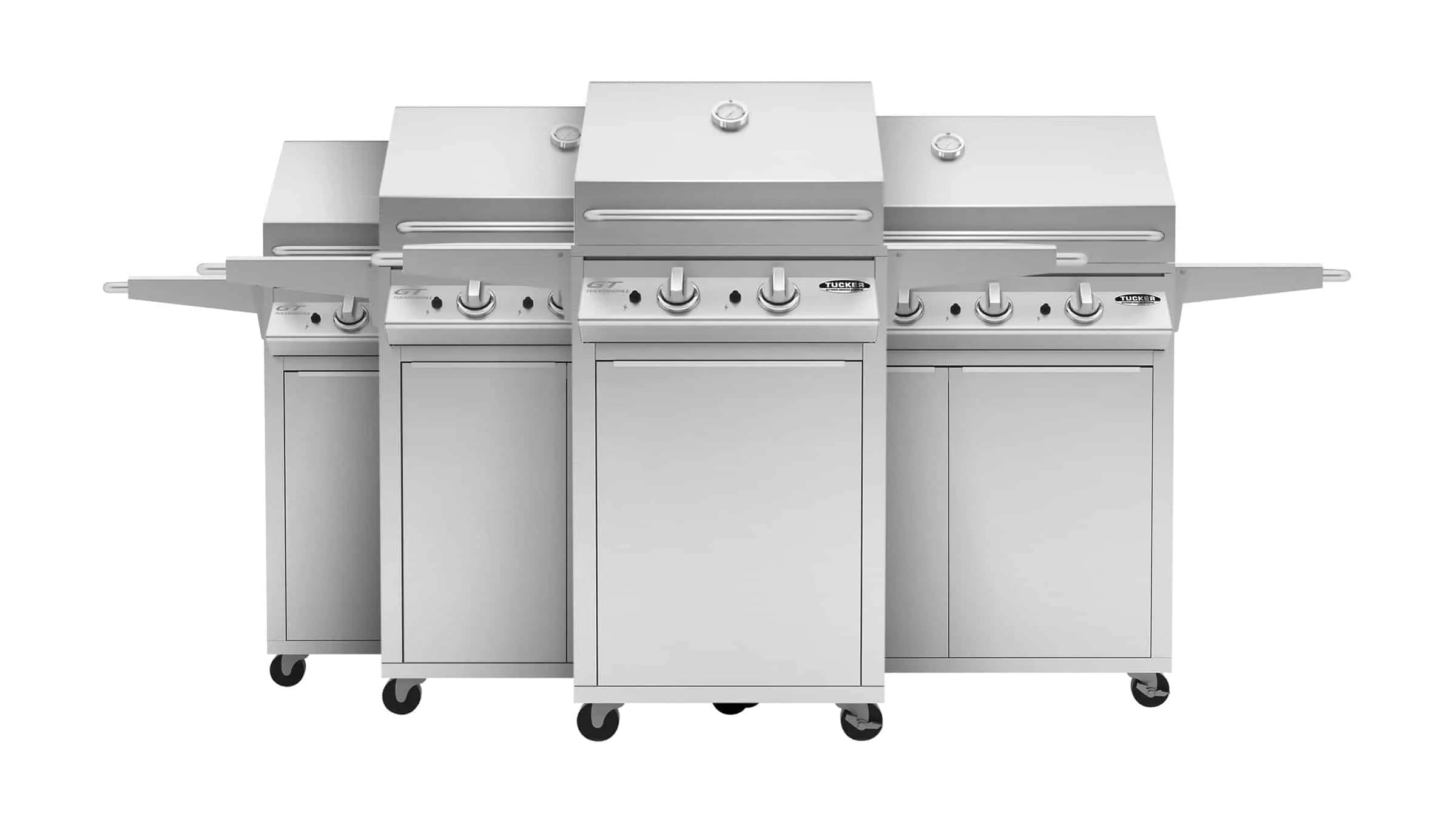
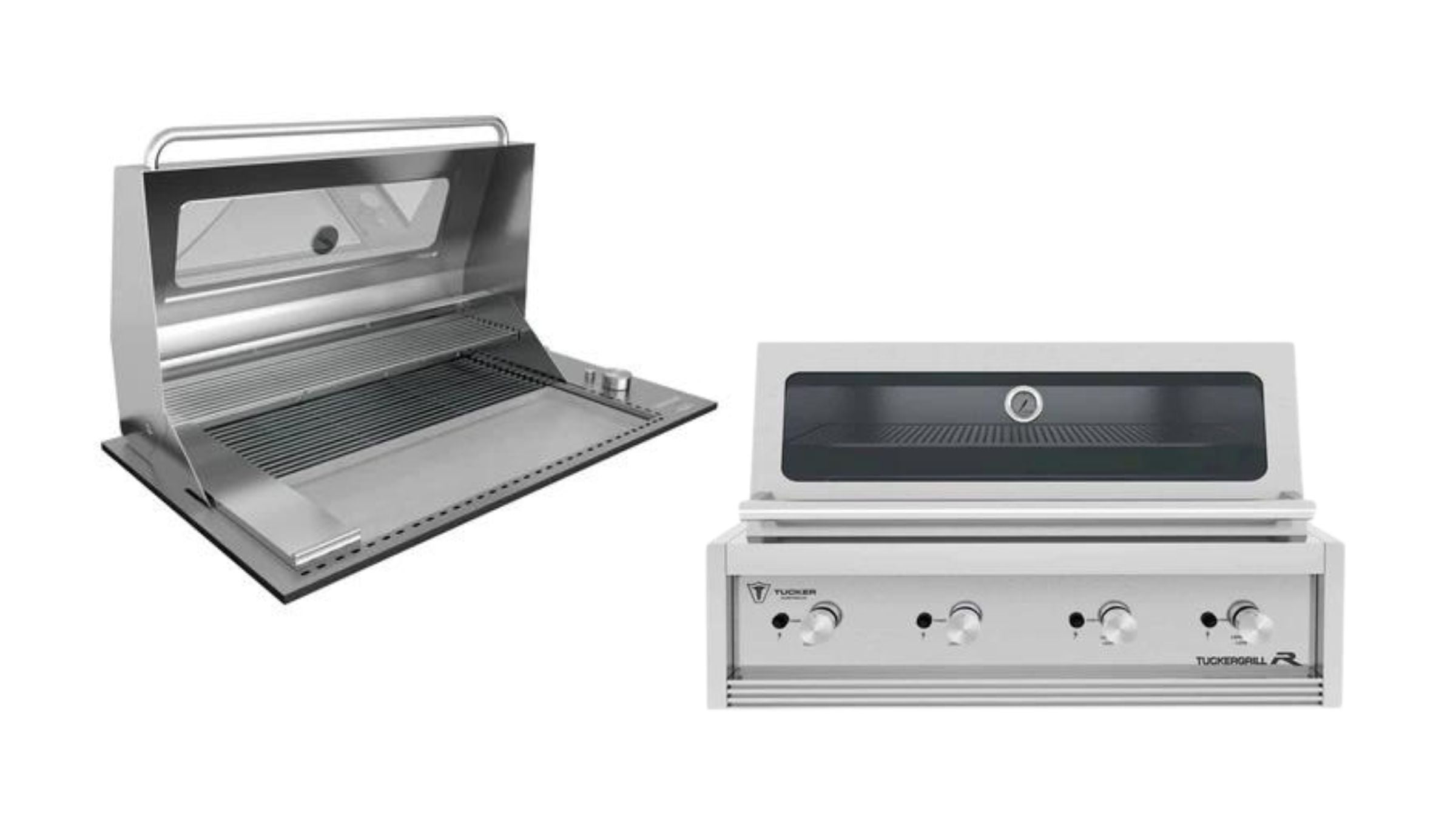
Tucker BBQs The Smarter Choice for Modern Grilling

Stainless steel burners represent a clear evolution in BBQ design. By eliminating the primary weaknesses of cast iron—rust, heavy maintenance, and premature failure—they offer a longer‑lasting, more reliable foundation for outdoor cooking.

If you’re investing in a new Tucker BBQ or upgrading an older one, stainless steel burners aren’t just a modern feature—they’re a practical choice that keeps your grill performing better for longer.

Check out Tucker BBQs premium BBQ products instore now

TUCKER BBQs SILVERWATER

138 Silverwater Road, Silverwater NSW 2128

Ph: (02) 9748 8368

silverwater@tuckerbbq.com.au


TUCKER BBQs MONA VALE

2/91 Darley Street, Mona Vale NSW 2103

Ph: (02) 9999 1891

monavale@tuckerbbq.com.au


TUCKER BBQs TAREN POINT

95 Parraweena Road, Taren Point NSW 2229

Ph: (02) 9526 1526

tarenpoint@tuckerbbq.com.au